
The evolution of casinos A journey through time and culture

Da admin
The evolution of casinos A journey through time and culture
The Ancient Beginnings of Gambling
The concept of gambling dates back to ancient civilizations, where it was often intertwined with religious rituals and communal gatherings. In Mesopotamia, clay tablets have been discovered that show evidence of dice games dating back to 3000 BC. These early forms of gambling laid the groundwork for the more structured games we know today. Such activities were often seen as ways to connect with the divine, with fortunes believed to be decided by the gods. As preferences evolved, many players began to seek platforms like non kyc crypto casino to enhance their gaming experiences.

In ancient China, around 2000 BC, various forms of gambling were recorded, including the earliest known lottery. This form of gaming was not just a pastime but also served as a means of raising funds for large projects, including the Great Wall. The popularity of gambling expanded across cultures, with variations like knucklebones and betting on the outcomes of battles, demonstrating its universal appeal.
These ancient practices reveal a fundamental aspect of human nature: the desire to take risks and seek fortune. As societies evolved, so did their forms of gambling, leading to more organized games that became central to social gatherings. This early evolution of gambling set the stage for the more formalized establishments we now recognize as casinos.
The Rise of Gaming Houses in the Middle Ages
The Middle Ages marked a significant turning point in the evolution of gambling, particularly in Europe. The establishment of gaming houses began to emerge, where people could gather to play various games of chance. These early establishments were often clandestine, as gambling was frowned upon by the Church. However, this underground culture thrived, paving the way for future legal casinos.
During this time, the invention of new games, such as the precursor to modern-day poker and blackjack, gained popularity. These games were often played in taverns and private homes, fostering a culture of social interaction and competition. The allure of potential riches spurred interest among the nobility, leading to increased acceptance and eventual regulation of gambling activities.
By the late Middle Ages, gambling was no longer merely a pastime but had begun to take on a more commercial aspect. As towns expanded and trade flourished, the demand for entertainment grew, creating opportunities for the establishment of formal gaming houses. These establishments began to attract not just the wealthy but also the general populace, leading to an increasing recognition of gambling as an integral part of leisure activities.
The Birth of Modern Casinos in the 17th and 18th Centuries
The term “casino” originated in Italy during the 17th century, referring to small country houses used for social gatherings. As gambling gained popularity, these venues began to incorporate games of chance and were eventually recognized as places for entertainment. The first official casino, the Casino di Venezia, opened its doors in 1638, marking the transition from informal gaming houses to structured casinos.
Throughout the 18th century, the modern casino began to take shape, particularly in cities like Paris. The establishment of the first European gambling houses formalized the casino experience, allowing patrons to partake in games such as roulette and baccarat in a socially accepted environment. The opulence of these casinos attracted the upper class and became synonymous with luxury and sophistication.
During this era, regulations started to emerge, aiming to protect players and ensure fair play. Licensing laws and game rules were instituted, fostering trust among patrons. This evolution highlighted the balance between entertainment and regulation, which would continue to shape the casino industry in the centuries to follow.
The American Casino Boom of the 20th Century
The 20th century witnessed a significant transformation in the casino landscape, particularly in the United States. The rise of Las Vegas as a gambling mecca began in the 1930s, propelled by the legalization of gambling in Nevada. This marked a new era, as lavish resorts and casinos began to spring up, offering not just games but also shows and fine dining, creating an all-encompassing entertainment experience.
The post-World War II era saw further expansion, with gambling becoming more mainstream. The introduction of slot machines revolutionized the gaming experience, providing a new source of revenue for casinos. The allure of big jackpots and neon lights attracted millions of visitors, solidifying Las Vegas as the ultimate destination for gamblers and tourists alike.
As states began to realize the economic potential of casinos, many others followed suit, leading to the establishment of gaming operations in Atlantic City and beyond. The casino industry had transformed into a multi-billion-dollar enterprise, influencing not just local economies but also national and international tourism trends. This explosion of interest in gaming led to further innovation, including the incorporation of technology into gaming, which would shape the future of casinos.
The Digital Revolution and the Future of Casinos
In recent years, the emergence of the internet has revolutionized the casino industry, leading to the rise of online casinos and digital gaming platforms. This shift has made gambling more accessible than ever, allowing players to enjoy their favorite games from the comfort of their homes. The convenience and variety offered by online casinos have attracted a new generation of players, eager to explore a vast array of gaming options.
The introduction of cryptocurrencies and blockchain technology further enhances the online gaming experience. Crypto casinos offer a level of anonymity and security that traditional casinos cannot match, appealing to users who value their privacy. These platforms are gaining traction, presenting new opportunities for innovative gaming experiences and seamless transactions.
As the industry continues to evolve, the focus on user experience, security, and technological integration will play a crucial role. The future of casinos promises even greater advancements, with augmented reality, virtual reality, and advanced AI creating immersive gaming environments that redefine how players interact with their favorite games.
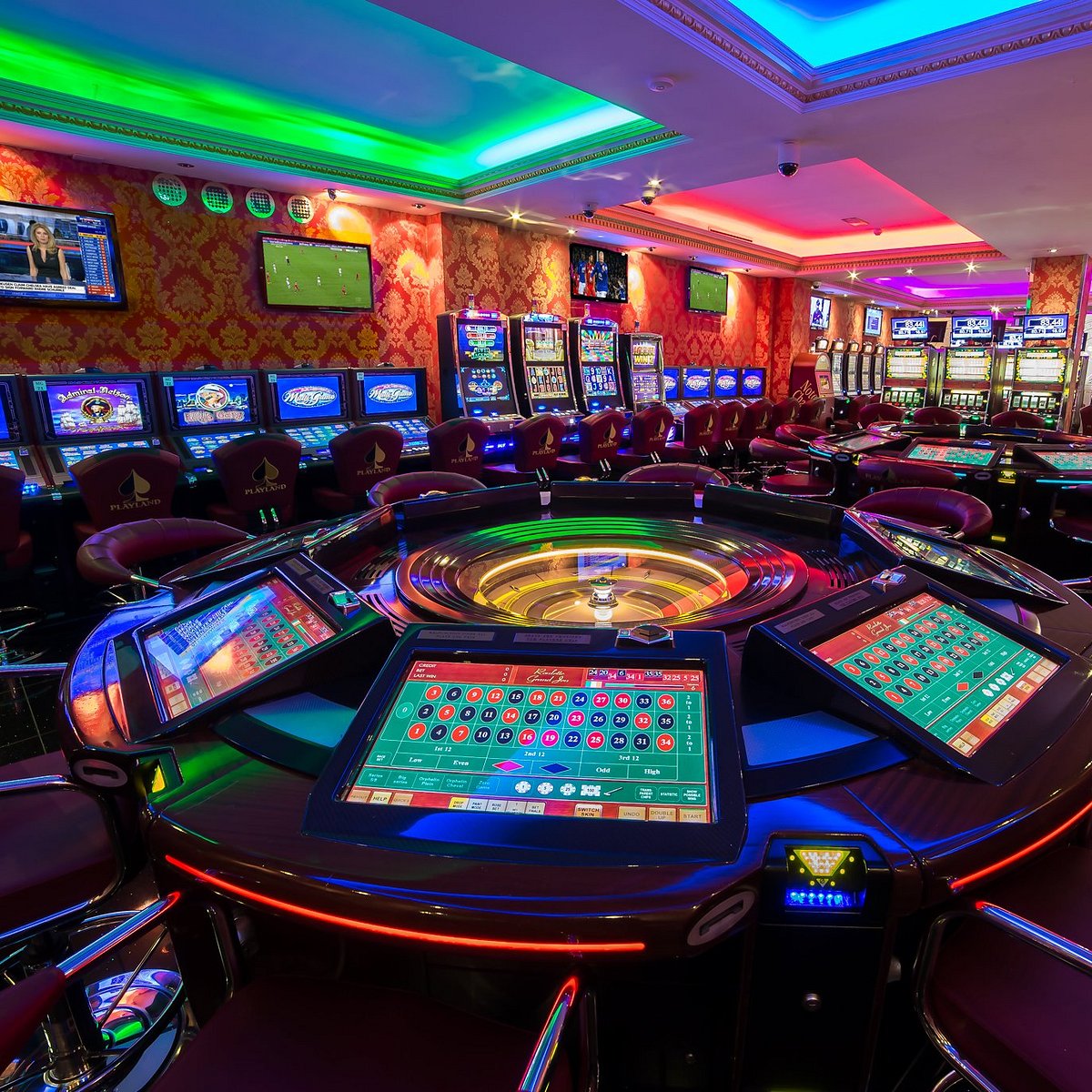
Your Gateway to Modern Gaming
For those looking to explore the modern casino landscape, our platform offers insights into the best gaming experiences available today. We are dedicated to guiding users through the myriad of online casino options, focusing on platforms that prioritize user privacy and offer innovative gaming solutions. With a curated list of top-rated casinos, we ensure that players find the right fit for their gaming preferences.
Our commitment to user experience extends to exclusive bonuses and promotions, allowing players to maximize their gaming potential. By focusing on user needs, we aim to create a welcoming environment where everyone can enjoy the thrill of gambling responsibly. Join us as we navigate the dynamic world of online casinos, discovering new opportunities for entertainment and excitement.